Why Achaar is the Heart of Indian Food Culture and Family Tradition
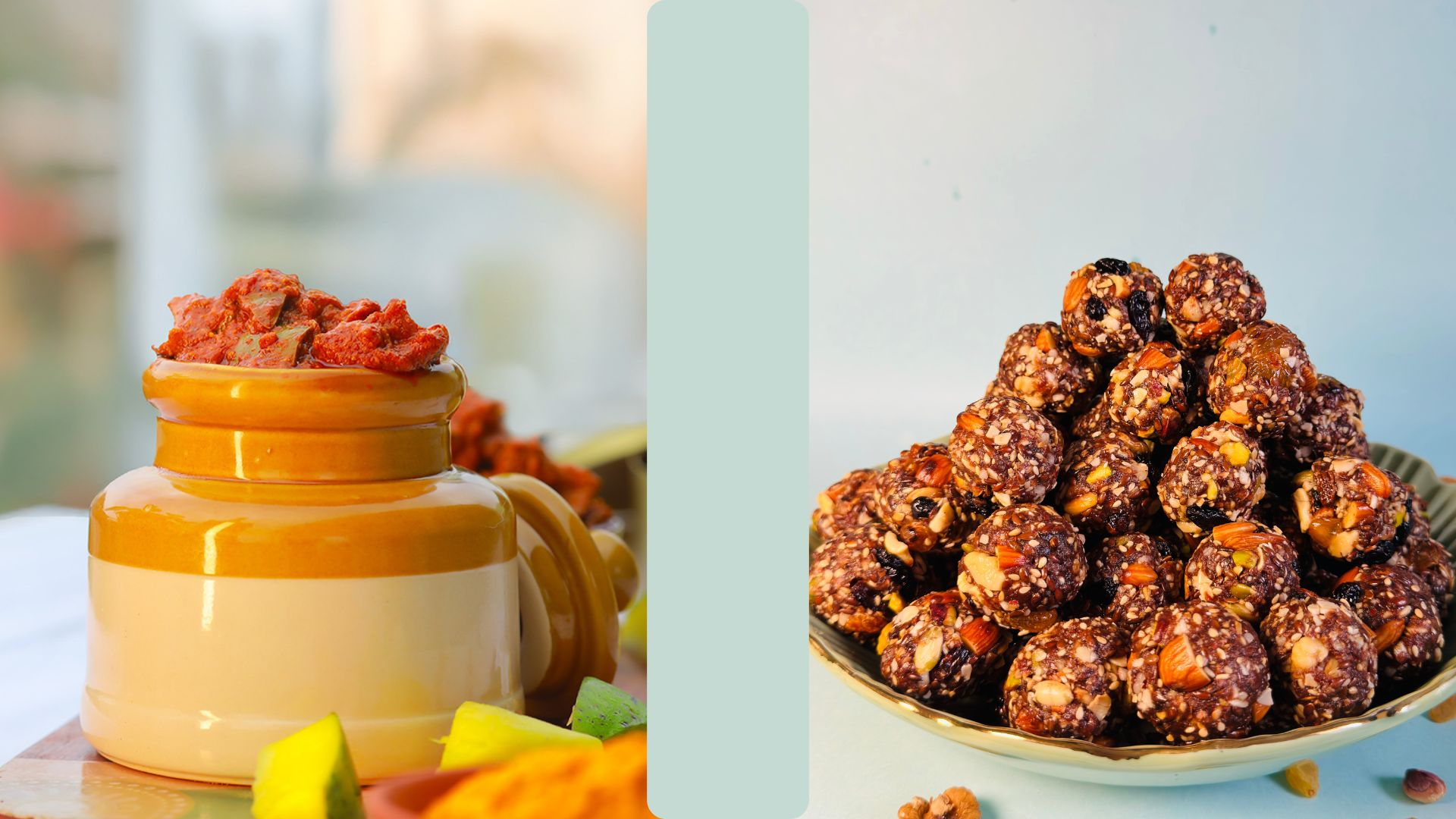
In India, pickle(achaar) isn’t just food. It’s a living tradition, a treasured memory, and a taste that connects generations across time and distance. From the bustling kitchens of small towns to modern urban homes, Indian food culture simply wouldn’t be complete without homemade pickles. These jars remain an irreplaceable part of the country’s culinary identity and emotional landscape.
The Sacred Ritual of Indian Pickle-Making
Summer Traditions That Define Indian Households
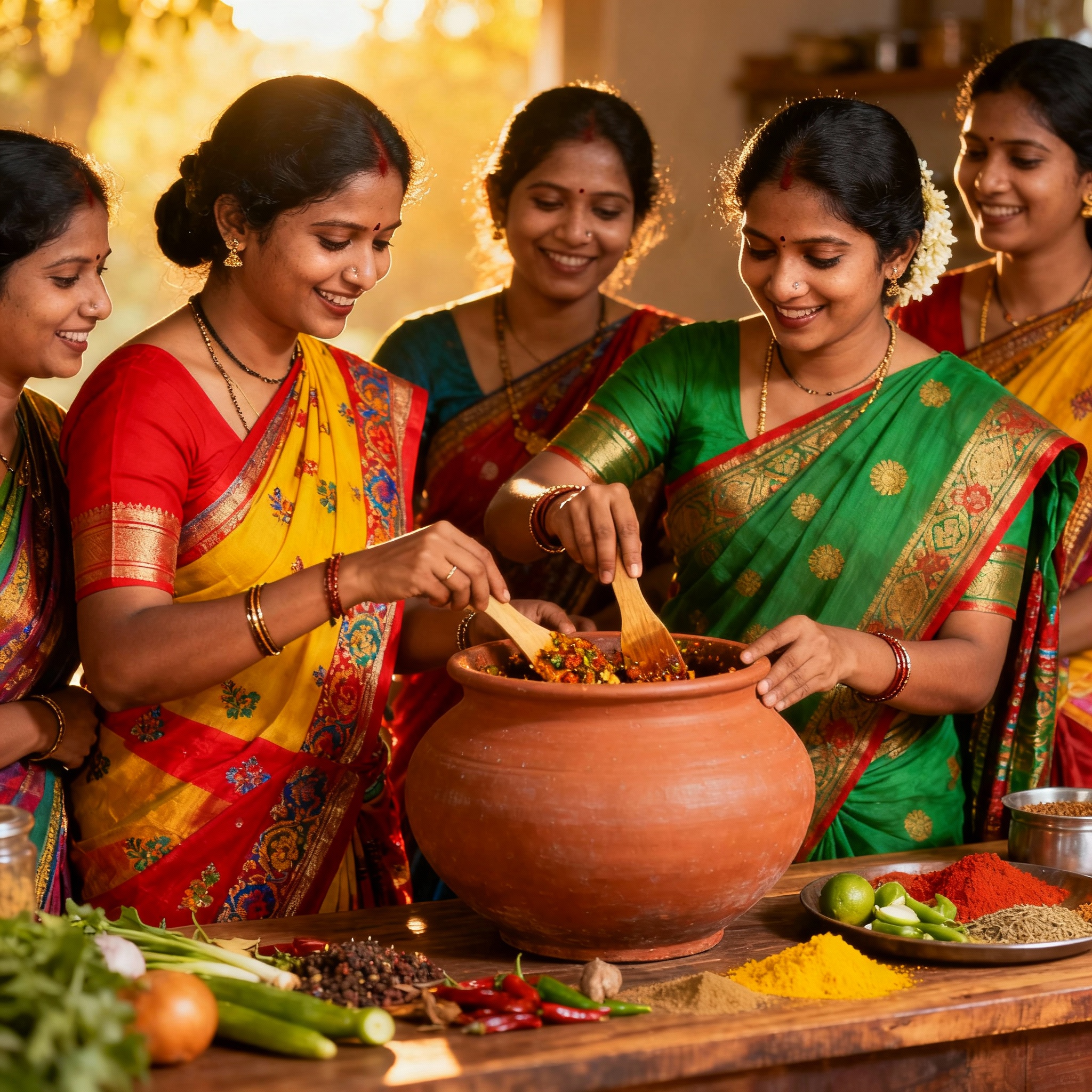
Every summer across India, something magical happens in kitchens. They come alive with the age-old ritual of pickle-making. Raw mangoes drying under the golden sun, aromatic cooking ingredients roasting on the stove, and families gathered around large mixing pots, these sights, sounds, and smells define childhoods and preserve cultural heritage.
Here’s what makes this so special: the traditional Indian pickle-making process goes far beyond just a cooking activity. It’s actually a communal celebration where knowledge flows naturally from one generation to the next. When families gather around to prepare pickles, they’re doing much more than creating food at home, they’re strengthening bonds while preserving centuries-old recipes that carry the essence of regional identity and family history.
Pickles as Family Heirlooms: Recipes Passed Down Through Generations
The Legacy of Homemade Achaar
Each jar of homemade Indian pickle carries a story written in spices and stirred with love. Mothers and grandmothers hand down these recipes like precious heirlooms, teaching the perfect balance of salt, spice, oil, and most importantly patience. These aren’t merely written instructions; they’re living traditions passed through demonstration, taste, and touch across generations.
Think about this, a jar of traditional homemade pickle is often the first thing lovingly packed for someone moving away from home whether to another city or across continents. It becomes a spoonful of love that travels thousands of kilometres, a tangible connection to family and heritage that no distance can diminish. That’s the power of home made pickles and Indian food traditions.
Regional Indian Pickles: A Flavourful Journey Across India
Every Region Tells Its Story Through Achaar
The diversity of Indian pickles mirrors the country’s rich cultural tapestry beautifully. Each region’s soil, climate, people, and traditions get bottled into unique flavor profiles. Let me take you on a journey through India’s pickle production and cooking ingredients that vary from region to region.
Andhra Pradesh’s Fiery Legacy
From Andhra comes the legendary fiery mango pickle and the iconic Avakaya bold, spicy, and unapologetically intense. Made with generous amounts of red chili powder, mustard seeds, and sesame oil, these pickles reflect the region’s deep love for heat and robust flavours. The cooking ingredients here are chosen specifically for their bold character.
North India’s Tangy Treasures
North Indian states like Punjab, Rajasthan, and Uttar Pradesh are famous for their tangy lemon achaar, stuffed red chili pickles, and mixed vegetable achaar. Made with mustard oil that imparts a distinctive pungency, these pickles often feature fennel, fenugreek, and asafoetida as key cooking ingredients. Each one tells a story about the region’s food at home traditions.
Kerala’s Coastal Delights
Kerala brings the ocean to your plate with unique seafood pickles alongside traditional favourites. The use of coconut oil, curry leaves, and tamarind creates a sweet and sour profile that’s distinctly South Indian. These cooking ingredients reflect the region’s proximity to the sea and its culinary heritage.
Gujarat’s Sweet Balance
Gujarat’s pickles, like the beloved lemon pickle with jaggery, showcase a beautiful harmony of sweet and spicy. The use of groundnut oil and the addition of jaggery create a unique flavor profile that’s both comforting and distinctive. This region’s approach to cooking ingredients shows how Indian food adapts to regional preferences.
Each regional Indian pickle reflects not just ingredients but the land, weather, history, and the people who lovingly craft them through traditional pickle production methods.
The Cultural Significance of Achaar in Indian Meals
Why Pickle Completes Every Indian Meal
Here’s something every Indian understands instinctively: Indian pickles aren’t just a side dish they’re what transforms a meal into a complete experience. Whether paired with comforting curd rice, simple dal chawal, or a humble roti, that small spoonful of homemade pickle brings warmth, nostalgia, and a flavour dimension that nothing else can match. This is food at home at its most essential.
In Indian dining culture, achaar serves multiple important purposes:
- Flavour enhancer that elevates even the simplest dishes
- Digestive aid with probiotic benefits from natural fermentation
- Cultural connector that links people to their regional roots
- Emotional comfort that evokes cherished memories and family bonds
Pickles and Indian Festivals: A Symbol of Love and Hospitality
The Role of Achaar in Celebrations
Homemade Indian pickles hold deep cultural and even spiritual significance far beyond daily meals. They’re offered to deities during festivals like Diwali and Navratri, symbolizing prosperity and devotion. During weddings and religious ceremonies, traditional pickles are shared as genuine gestures of warmth and hospitality, embodying the host’s love and care.
Notice how gifting jars of handmade pickle during festivals has become a cherished tradition, it’s not just about sharing food, but about passing on family heritage and affection. These gifts carry emotional weight far beyond their culinary value, representing connection, tradition, and the preservation of cultural identity. This is what makes Indian food culture so special.
Traditional Pickle-Making: An Art Preserved Through Time
The Authentic Methods Behind Authentic Taste
The traditional Indian pickle-making process is truly an art form refined over centuries. Understanding pickle production means appreciating the specific cooking ingredients and techniques that make home made pickles so special. Let me walk you through how this works:
Sun-Drying Ritual
Ingredients are meticulously sliced and sun-dried for hours or days, allowing natural dehydration while concentrating flavors. This ancient preservation method requires patience and perfect weather conditions. It’s the foundation of quality pickle production in Indian homes.
Spice Roasting and Grinding
Whole spices are dry-roasted on hot griddles until fragrant, then ground into custom blends. This critical step releases essential oils and deepens flavors in ways pre-ground cooking ingredients simply cannot replicate. This attention to detail separates homemade pickles from commercial alternatives.
Oil Selection and Preparation
Different regions choose different oils, mustard oil in the North for its pungency, sesame oil in the South for its nutty richness, and groundnut oil in the West for its neutral sweetness. The oil gets heated to smoking point, then cooled before use, a technique that extends shelf life naturally. These cooking ingredients form the backbone of pickle production.
Natural Fermentation
Many traditional pickles undergo fermentation, developing complex flavors while creating beneficial probiotics that support digestive health. This natural process requires no artificial preservatives, just time, temperature, and traditional knowledge passed down through generations. It’s one reason food at home made this way tastes and feels so different.
The Emotional Power of Homemade Achaar
Why Pickles Mean Home, Comfort, and Love
The emotional connection Indians have with homemade pickles runs incredibly deep. What’s fascinating is that research reveals pickles evoke powerful childhood memories, family bonding, and a sense of belonging that transcends geographic boundaries. There’s real psychology behind why Indian food, especially homemade pickles, touches our hearts.
Nostalgia in Every Bite
Opening a jar of traditional Indian pickle instantly transports you back to your grandmother’s kitchen, family dinners, and simpler times. The aroma alone can trigger vivid memories of summer afternoons watching elders prepare pickles, of school lunches enlivened by a small container of achaar, of festive meals where pickle jars took pride of place on dining tables. This is the magic of food at home.
A Taste of Home for the Diaspora
For Indians living abroad, authentic Indian pickles become even more precious, a tangible link to their roots and identity. Many expatriates report that the taste of homemade pickle brings them closest to feeling at home, bridging thousands of miles with a single spoonful. That’s the incredible power of home made pickles and Indian food culture.
Nirmala’s Home Kitchen: Preserving Tradition in Every Jar
Authentic Achaar Made the Traditional Way
At Nirmala’s Home Kitchen Foods, we honour and preserve this beautiful cultural heritage in every jar we create. Our approach to pickle production stays true to authentic Indian food traditions. Our traditional South Indian pickles are:
Handmade with Love and Care
Every batch we prepare uses time-honored family recipes, exactly as they’ve been made for generations. We don’t cut corners on pickle production we do it right.
Sun-Dried for Authentic Flavor
We follow traditional sun-drying methods, allowing nature and time to work their magic on our carefully selected cooking ingredients and produce. Food at home made this way simply tastes better.
No Preservatives, Just Purity
Our home made pickles contain no artificial preservatives, chemicals or shortcuts only pure, authentic cooking ingredients crafted with patience and traditional knowledge passed down through generations.
Traditional Recipes, Generational Wisdom
Each recipe we use has been perfected over years, carrying the wisdom and love of mothers and grandmothers who understood that real achaar cannot be rushed. This is what sets our pickle production apart.
Conclusion: Achaar – More Than Food, A Cultural Legacy
In India, pickle will always be more than food. It’s comfort bottled in glass jars. It’s home captured in spices and oil as well as love preserved and shared across generations, distances, and time.
Every jar of authentic Indian pickle tells a story of summer rituals, family bonding, regional pride, and culinary heritage that spans millennia. It represents the beautiful intersection of tradition and taste, of preservation and passion, of memory and meaning. When you understand Indian food this way, you realize why home made pickles matter so much.
When you open a jar of Nirmala’s Home Kitchen pickles, you’re not just adding flavor to your meal you’re participating in a living tradition, connecting with cultural roots, and experiencing the same love and care that has defined Indian pickle-making for countless generations.
Because in India, achaar transcends its role as a condiment. It’s a cultural artifact, a taste of heritage, and a reminder that the most meaningful flavors are those seasoned with tradition, patience, and love. This is food at home at its finest.