Homemade pickles are more than just a sidemthey are memory, care, and pure ingredients in a jar. Commercial pickles may be convenient and widely available, but they simply cannot match the taste, quality, and emotional value of a truly homemade pickle. Here’s why homemade pickles win, every single time.
1. Pure Ingredients, No Hidden Chemicals
Homemade pickles are made with ingredients you recognize and trust:
- Fresh, seasonal vegetables and fruits
- High-quality spices
- Cold-pressed oils
- Natural preservatives like salt, lemon, and sun-drying
In contrast, many commercial pickles rely on:
- Synthetic preservatives to extend shelf life
- Low-quality or refined oils
- Artificial colours and flavours
Homemade pickles are clean, natural, and chemical-free. You know exactly what goes into each batch because it often starts right in the home kitchen.
2. Traditional Methods = Deeper, Richer Flavour
The magic of homemade pickles lies in time and tradition.
At home, pickles are:
- Sun-cured over days or weeks
- Hand-mixed so spices coat every piece
- Allowed to mature naturally in oil and brine
This slow process lets spices infuse deeply, giving that layered, robust flavour that only patience can create.
Commercial pickles, on the other hand, are usually:
- Made in bulk
- Processed quickly in factories
- Standardized for speed, not depth of taste
The result? The soul of the pickle its slow developed flavour often gets lost.
3. Customised to Your Taste and Health Needs
Homemade pickles give complete control and freedom.
You can adjust:
- Spice level: extra spicy or mild
- Tanginess: more lemon, more vinegar, or gentle sourness
- Sugar: no sugar, jaggery-based, or slightly sweet
- Salt: normal, low sodium, or as per health needs
Commercial pickles are one size fits all. They are created to suit a broad audience, not your unique taste preferences or health priorities.
With homemade pickles, every jar can be tailor made for your family.
4. Made With Love, Not Just Machines
A homemade pickle carries something no factory can manufacture: emotion.
Every step has intention:
- Vegetables and fruits are hand-selected
- Each piece is hand-cut
- Masalas are hand-roasted and ground
- Mixtures are stirred with care, often while sharing stories and memories
Homemade pickling is often a family ritual grandmothers supervising, mothers tasting, children helping to spread pieces in the sun. That feeling of togetherness gets bottled along with the spices.
Commercial pickles may be consistent, but they cannot carry the love, memory, and personal touch that homemade jars do.
5. Better Oils, Better Spices
In homemade pickles, quality comes first.
Common choices include:
- Cold-pressed sesame oil for South Indian-style pickles
- Pure mustard oil for North Indian flavours
- Fresh turmeric, not just colour
- Hand-pounded red chilli powder for authentic heat
- Premium fenugreek, mustard, cumin, and nigella seeds
In many commercial pickles, ingredients are selected to cut costs, not to preserve traditional taste. Cheaper refined oils, lower-grade spices, and artificial enhancers can never replicate the rich, clean taste of a lovingly prepared homemade batch.
6. No Excess Salt, Sugar, or Additives
To keep products on shelves for months or even years, commercial brands often use:
- Excess salt
- Synthetic vinegar
- Stabilizers and preservatives
- Added sugar or corn syrup
Homemade pickles rely on natural preservation methods:
- The right balance of salt and oil
- Sun-drying and natural fermentation
- Clean handling and small-batch preparation
This makes homemade pickles generally gentler on the stomach, easier to trust, and more in tune with traditional food wisdom.
7. A Taste of Home, Culture, and Memory
Most importantly, homemade pickles are stories in a jar.
They are:
- The recipe your mother learned from her mother
- The smell of summer holidays at your grandparents’ home
- The tangy spoonful that made every simple meal feel special
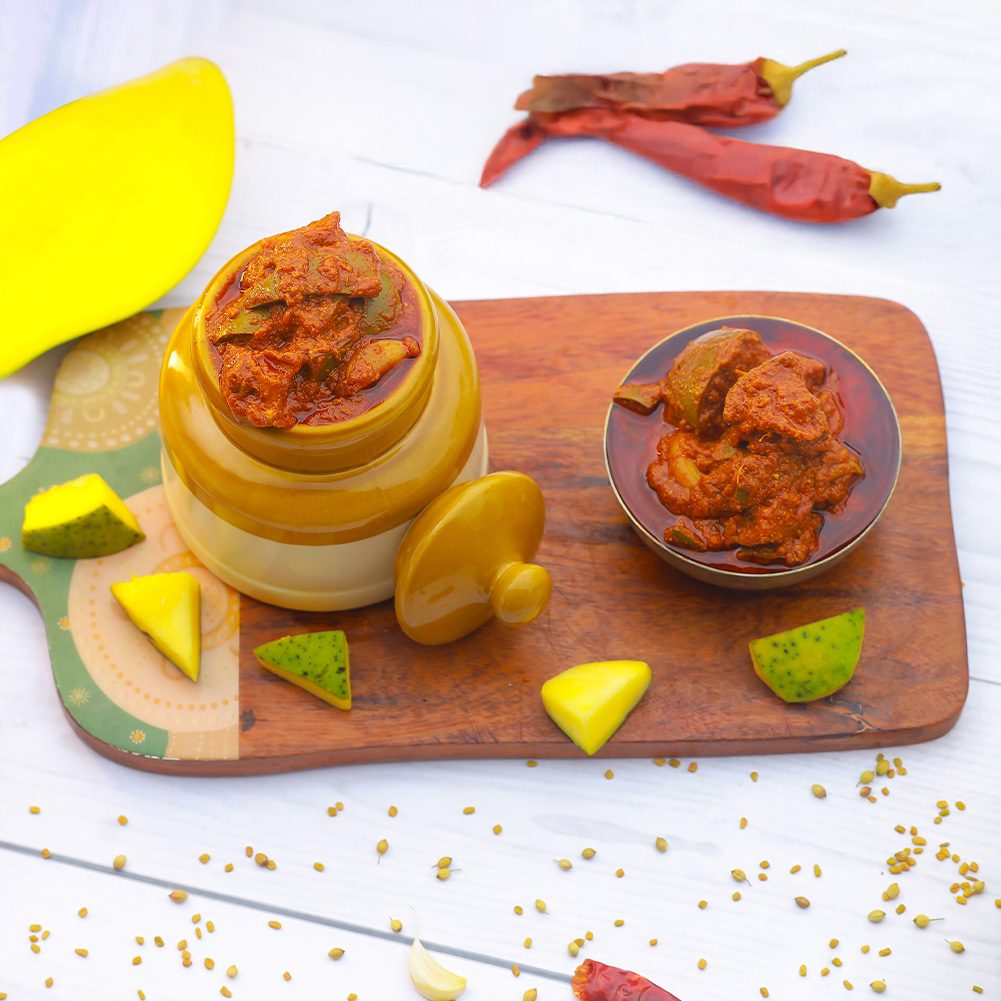
Each family often has its own version of mango, lemon, gongura, garlic, or mixed vegetable pickle. Those variations create a sense of identity and belonging that no mass-produced label can imitate.
A homemade pickle is not just something to eat it is culture, nostalgia, and comfort served on the side of your plate.
Nirmala’s Home Kitchen: Homemade Taste, None of the Compromise
For those who crave the authentic taste of homemade pickle but may not always have the time to prepare it, small-batch makers step in as a bridge between tradition and convenience.
At Nirmala’s Home Kitchen, pickles are:
- Prepared in limited batches, not factories
- Made with family recipes and traditional methods
- Crafted using quality oils, spices, and fresh ingredients
- Free from unnecessary artificial colours and synthetic preservatives
Each jar is designed to feel like it came straight from a loved one’s kitchen not from a conveyor belt.
The Difference Is Clear in the First Bite
Whether it’s mango, lemon, garlic, gongura, or mixed vegetable, homemade-style pickles are:
- Richer in flavour
- Fresher in ingredients
- Gentler on the body
- Full of soul and story
Once someone truly experiences the depth and honesty of a homemade pickle, going back to a typical commercial jar no longer feels satisfying.
Homemade pickles are proof that the best flavours come from patience, purity, and love not shortcuts.